Spain just turned olive waste into carbon-trapping road material
A Barcelona pilot project is mixing biochar made from olive pits into asphalt, locking carbon inside the road surface for decades.
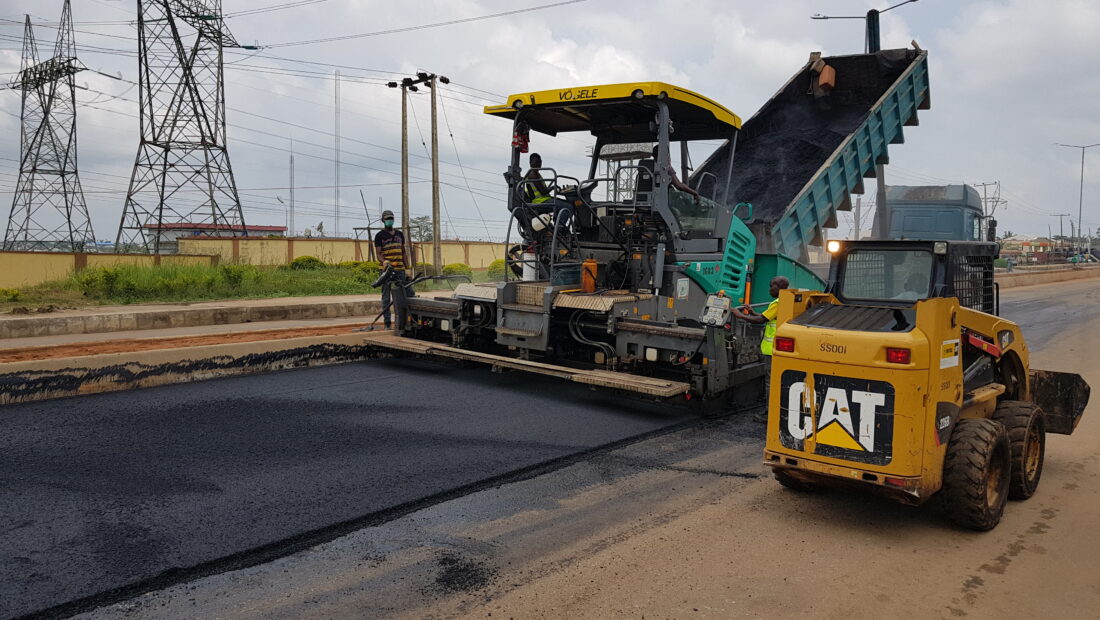
Cities pour enormous budgets into repairing roads and pavements every year, but the environmental cost of the materials themselves rarely gets much attention. Producing and transporting the ingredients that go into standard asphalt is a significant source of emissions on its own.
In Barcelona, that’s exactly the problem engineers are trying to solve with an unlikely raw material: olive pits. Spain produces vast quantities of olives annually, and the pits are usually treated as a food-industry by-product left to decompose or get burned. Instead, engineers behind the Barcelona project are converting the pits into biochar through pyrolysis — heating the organic matter without oxygen — turning them into a carbon-rich solid that replaces the mineral filler normally used in asphalt.
The Advanced Carbons Council, which reports on the project, says the resulting mixture is intended to cut the carbon footprint of asphalt paving by roughly 75 per cent versus conventional materials, and early figures from the pilot installation reportedly point to reductions of a similar scale.
What makes the material different is how it handles carbon that would otherwise return to the atmosphere. Olive trees absorb carbon dioxide as they grow; once the pits are pyrolyzed into biochar and mixed into asphalt, that carbon stays locked inside the road surface for years or decades rather than being released through decomposition or burning.
A roughly 2,000-square-metre section on Carrer Cerdà in the Eixample district is now the real-world test bed, built by construction firms AMSA and ELSAN with the Polytechnic University of Catalonia, and monitored by construction group Sorigué for durability and cracking resistance under actual traffic and weather.
Alvaro Espuny, chief executive of Carboliva, told Olive Oil Times that the implications reach beyond road paving: ‘Considering that concrete is the second most consumed material in the world after water, incorporating biochar into the construction of future buildings would represent a major step forward in sustainability.’ Researchers have separately tested olive-pit biochar in concrete, where it has shown potential to lower emissions and improve resistance to water penetration.
Wikimedia Commons/by Sammya Nig Ltd


Leave a Reply