Why kidney cells behave differently once gravity disappears
Scientists at Auxilium Biotechnologies and the Wake Forest Institute for Regenerative Medicine used the absence of gravity aboard the International Space Station to bioprint liver and kidney tissue for the first time in June 2026.
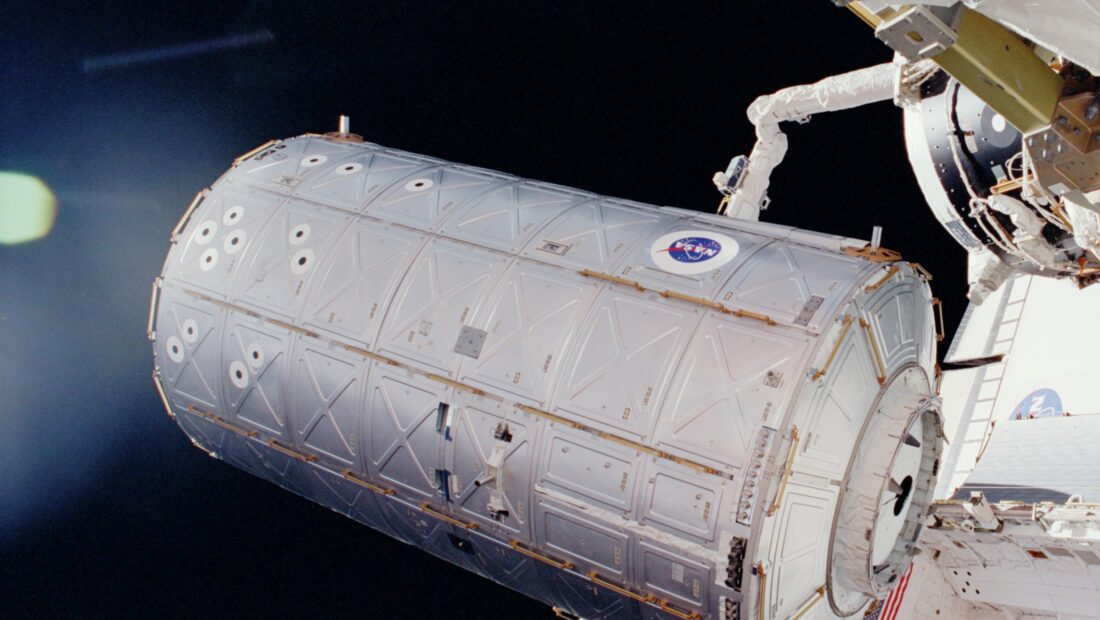
Take away gravity, and cells stop behaving the way scientists expect them to on Earth — and that difference just helped a biotech company do something for the first time. In June 2026, Auxilium Biotechnologies and the Wake Forest Institute for Regenerative Medicine bioprinted liver and kidney tissue aboard the International Space Station, the first time either tissue has been produced in microgravity.
Antony Atala, director of the Wake Forest Institute for Regenerative Medicine, said the space environment offers something Earth’s surface cannot: cells distribute more evenly through a tissue structure when there is no weight pulling on them. On Earth, cells can cluster in the wrong places or settle unevenly, which can stop a tissue from functioning correctly once implanted.
Auxilium co-founder Jacob Koffler said Earth-bound researchers have never found a reliable way to control exactly where cells sit inside a printed structure. In microgravity, he said, that level of control becomes possible — a shift he believes will expand what large-scale, complex medical devices can be manufactured.
The mission, which returned to Earth in a SpaceX Dragon capsule on 17 June, also produced cartilage samples for orthopaedic use and 28 implants designed to repair damaged nerves, using Auxilium’s AMP-1 bioprinter and cellular designs supplied by the Wake Forest Institute.
It builds on earlier work in orbit: in 2018, Russian cosmonaut Oleg Kononenko tested a magnetic-field bioprinter called ‘Bioprinter Organ.Aut’ to assemble cartilage cells aboard the ISS. This year’s mission went further, producing multiple tissue types and implantable devices on a single flight.
Koffler cautioned that the printed structures are not functioning organs yet. He expects the field to focus first on smaller tissue patches that can repair damaged organs, such as the liver, before attempting full replacement organs. ‘It’s going to take some years until we get to the clinic,’ he said, ‘but it’s important to start building that framework now.’
Image: NASA/Wikimedia Commons

Leave a Reply