India rewrites its fuel rules: 9 tech tricks that could lower your bill
India's power ministry has proposed a draft CAFE-III framework that credits carmakers for fitting fuel-saving technologies like start-stop systems and regenerative braking.
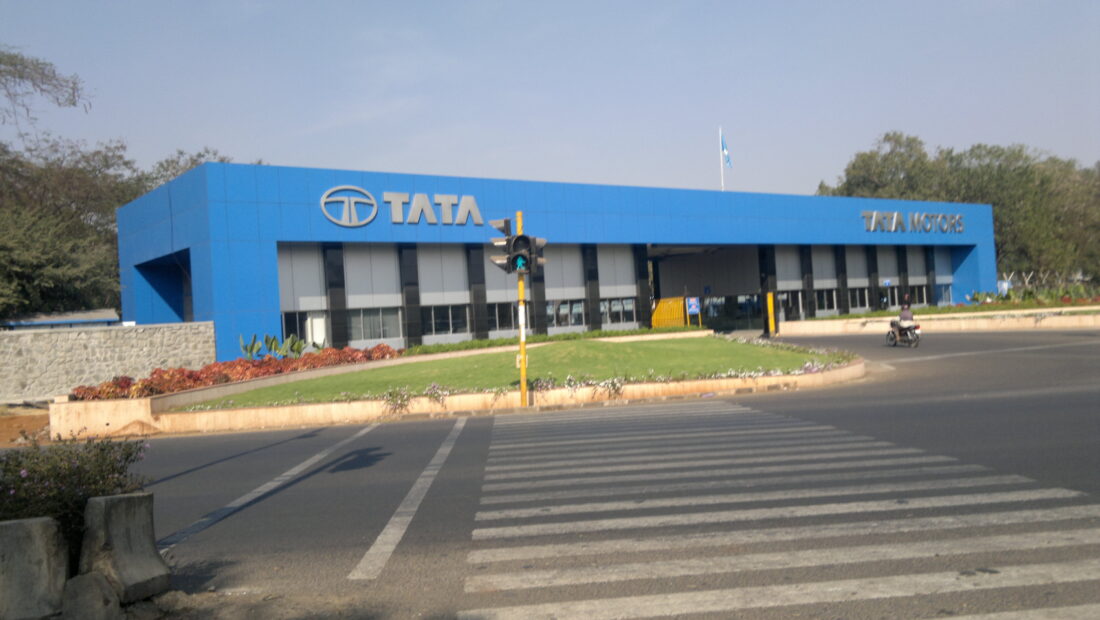
India is preparing to change how it measures a carmaker’s progress on fuel efficiency, with the power ministry proposing credit for nine specific technologies instead of pushing companies solely toward electrification.
Released for stakeholder consultation, the draft Corporate Average Fuel Economy (CAFE)-III regulations list automatic start-stop systems, tyre pressure monitoring systems (TPMS), regenerative braking, six-speed-or-higher transmissions, high-efficiency alternators, LED exterior lighting, advanced glazing, electric water pumps and solar-reflective paint as eligible technologies.
Some of these are currently fitted only in select manufacturers’ models. Under the draft, each one earns a benefit of 1 gram of CO2 per kilometre, or 0.0422 litres per 100 km, measured under the Modified Indian Driving Cycle (MIDC).
Manufacturers will be able to stack benefits across multiple technologies, subject to an overall cap of 9 grams of CO2 per kilometre, equivalent to 0.3795 litres per 100 km.
Compliance until now has mostly come from making engines more efficient or expanding electric and hybrid vehicle lineups. The proposed shift means features long sold as convenience or premium extras – like LED lighting or advanced glazing – could formally count as regulatory tools.
Because these technologies are already present in premium and mid-segment vehicles, the incentive structure is intended to encourage wider use across mass-market cars, and the draft further ties compliance benefits to renewable fuels, boosting the case for flex-fuel vehicles.
Wikimedia Commons/by Rameshng



Leave a Reply