Why JPMorgan’s CEO says ‘too big to fail’ should never be said again
Jamie Dimon argues that the phrase 'too big to fail' does real damage to financial accountability simply by existing in common use.
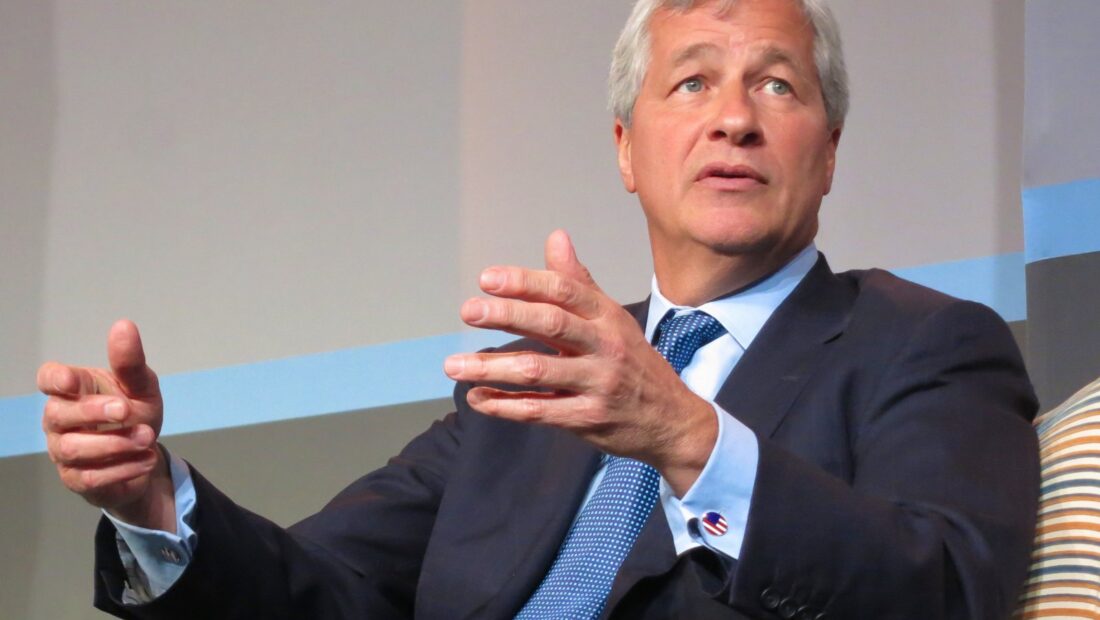
‘The term “too big to fail” must be excised from our vocabulary.’ That is Jamie Dimon’s verdict on a phrase that has shaped how the world talks about banking risk since the 2008 financial crisis, when governments decided that letting certain banks collapse would do more damage than rescuing them.
Dimon’s argument is that the language itself does damage, because it shapes the assumptions people make. Once an institution is accepted as ‘too big to fail,’ it operates under a different set of rules than everyone else, able to take on risk knowing the downside is someone else’s problem. That, he says, is not how markets or accountability are supposed to work.
Dimon has spent most of his career at JPMorgan making this argument in practice, not just in speeches. His annual letters to shareholders, running to dozens of pages, return again and again to a consistent thread: institutions should be built to absorb shocks, not rely on someone else absorbing them for them.
During 2008, JPMorgan was in better shape than most of its peers, and Dimon has credited the bank’s risk management decisions in the years before the crisis, particularly around mortgage exposure, for why it avoided the kind of emergency rescue others needed.
Image: Wikimedia Commons/by Steve Jurvetson


Leave a Reply