Peter Thiel’s rule: the next Gates, Page or Zuckerberg won’t repeat their playbook
PayPal co-founder Peter Thiel's oft-quoted line from 'Zero to One' argues that imitating past tech giants is not a path to building the next one.
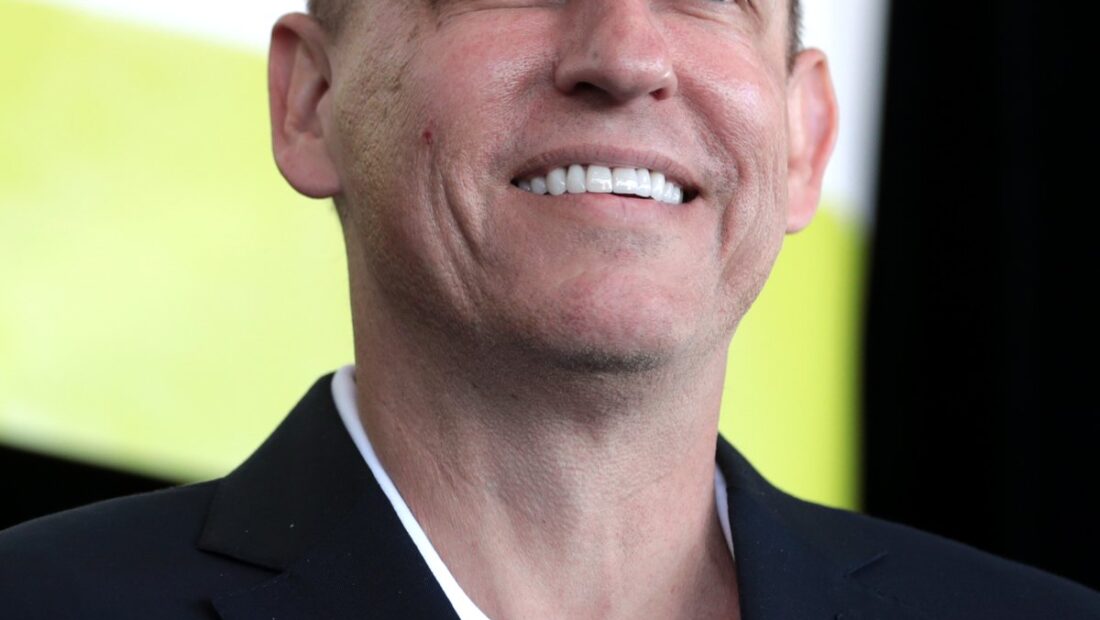
There will not be another Bill Gates who builds an operating system, another Larry Page or Sergey Brin who builds a search engine, or another Mark Zuckerberg who builds a social network, at least not according to Peter Thiel. TOI World Desk’s business quote of the day revisits a line from the PayPal co-founder’s 2014 book ‘Zero to One’: “Every moment in business happens only once… If you are copying these guys, you aren’t learning from them.”
The underlying idea is simple but easy to overlook: a successful business needs its own genuine unique selling point. Even in a market full of competitors, merely imitating something that already worked rarely produces a comparable success. It sounds like obvious business knowledge, yet founders overlook it constantly because being genuinely different is hard.
Thiel spent years studying why certain companies come to dominate their fields while thousands of others quietly fail, and he concluded that transformative businesses are rarely, if ever, built by copying yesterday’s breakthrough. Instead, they emerge from solving problems that nobody else has properly recognized or mastered yet.
Take Gates: he did not invent the personal computer, but Microsoft became indispensable because its operating system became the foundation on which millions of computers ran, and by the late 1980s and 1990s, Windows had become the dominant operating system worldwide. Thiel’s argument is that trying to repeat that today, by building yet another desktop operating system, would not create a second Microsoft, since the market has already matured and that particular opportunity is gone. He draws the same conclusion about search engines: Google succeeded by organizing the rapidly expanding web better than anyone else, and a new general-purpose search engine today is unlikely to recreate that success in an already consolidated market.
This is also the reasoning behind Thiel’s frequently cited claim that “competition is for losers” — not that competition disappears, but that it is often a symptom of a market that has become crowded and commoditized, while the largest fortunes tend to go to companies that establish themselves where there are few or no direct rivals.
The quote has taken on fresh relevance in the age of artificial intelligence, where countless companies now brand themselves as ‘the next OpenAI’ or ‘the next Nvidia’. Thiel would likely argue that is precisely the wrong ambition, and that the businesses defining the next decade may not be building another chatbot or chip, but using AI to transform healthcare, manufacturing, education or scientific research in ways not yet obvious to anyone.
Image credit: Wikimedia Commons/by Gage Skidmore


Leave a Reply