From Pocky to KFC: The Cyberattack Quietly Emptying Japan’s Shelves
A cyberattack on Japan's Nichirei logistics network is disrupting deliveries for Ezaki Glico, KFC Japan and Kura Sushi.
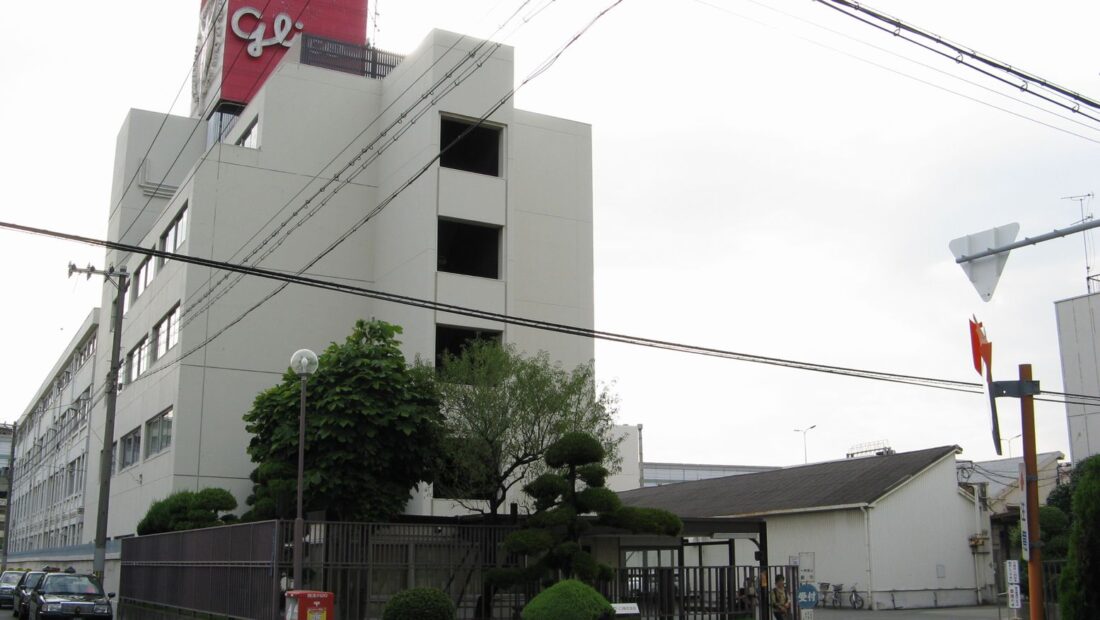
A cyberattack on one of Japan’s biggest cold-chain logistics operators has quietly begun emptying shelves and menus across the country. Nichirei, the leading frozen food supplier and refrigerated warehouse operator in Japan, disclosed on Tuesday that a cyberattack had disrupted operations at its subsidiaries, including product deliveries, and the disruption has already spread to companies most Japanese households recognise on sight.
Among the hardest hit is Ezaki Glico, maker of the popular Pocky snack line, which said on Wednesday that shipments of some of its ice cream products had been delayed since part of its stock is kept in Nichirei’s refrigerated warehouses. Local media estimated that up to 20 per cent of Glico’s ice cream products had been affected, though the company has not confirmed the financial cost. Glico said it is now leaning on alternative supply arrangements to keep products moving, especially in western Japan, where ice cream demand runs highest during the summer months.
The knock-on effects reach well beyond one snack maker. KFC Japan has warned that some of its restaurants could face shortages severe enough to trigger temporary menu changes or store closures. Kura Sushi, the conveyor belt sushi chain, confirmed delays at some of its western Japan locations. Local media reports add that major supermarket chains, pastry manufacturers and even dining halls at elderly care centres have also felt the effects of the same disrupted logistics network.
Nichirei says services will begin gradually returning from July 17, though a complete timeline for restoring deliveries to every affected business has not been given. Until then, a cyberattack on a single warehouse operator continues to shape what is and isn’t available on Japanese shelves and in Japanese restaurants.
The incident follows a string of similar attacks on major Japanese firms. Beer maker Asahi suffered a ransomware attack in 2025 that disrupted operations for months and forced manual order processing, an attack the Russian-linked hacker group Qilin later claimed responsibility for, according to Japanese media. Retailer Muji also suspended its online shopping services in Japan after its delivery partner Askul was hit by a separate cyberattack, part of a broader pattern of logistics-focused cyberattacks rattling Japan’s retail sector.
[Source: Wikimedia Commons/by Bakkai]


Leave a Reply