Empires fell, cities vanished, this tree just kept growing
While kingdoms have risen and fallen and cities have disappeared, some banyan trees have continued growing for centuries thanks to a unique ability to constantly renew themselves.
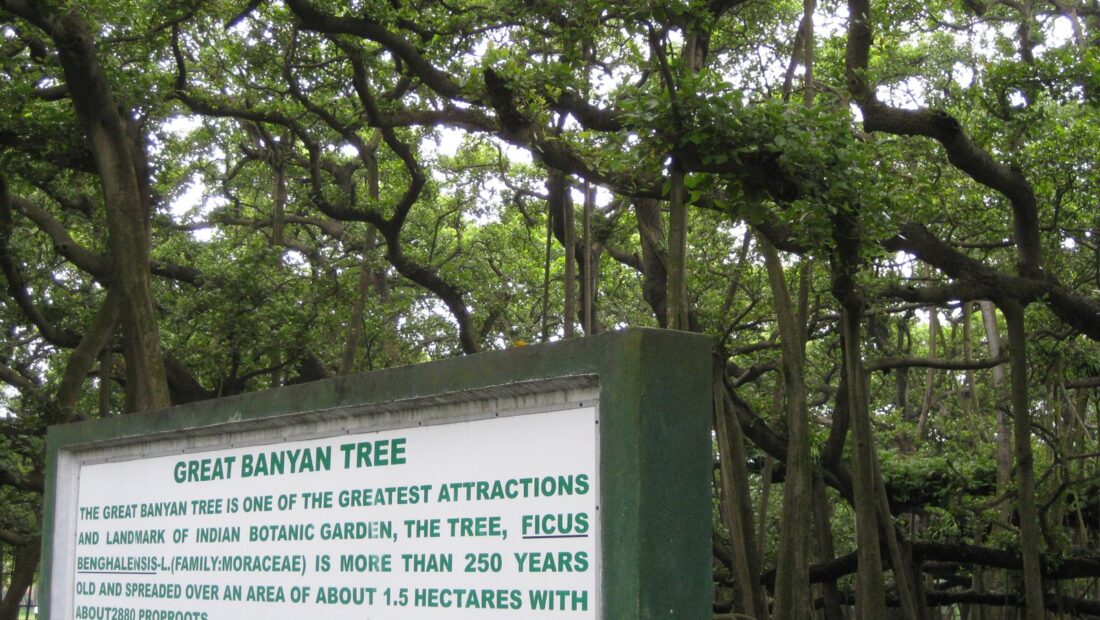
The banyan tree is one of nature’s greatest survivors. While kingdoms have risen and fallen, cities have disappeared, and civilizations have faded into history, some banyan trees have continued growing for centuries.
Their longevity comes from special biological features and a unique ability to renew themselves. Unlike other trees that grow from a single trunk, banyan trees form aerial roots on their branches that descend to the ground and thicken into woody secondary trunks over time. If the primary trunk is destroyed, becomes hollow, or dies, the tree survives through its secondary trunks, and it can become nearly impossible to tell which trunk was the original — a process some scientists call constant renewal.
The tree’s roots also keep it firmly planted, helping it endure storms and harsh winds, while its ability to regenerate helps it recover from ageing, climate conditions or human intervention. Many banyan trees alive today were present during significant historic moments, with some estimated to be 400 to 500 years old, and others older still, though accurately ageing a banyan remains difficult.
Among the most famous examples are the Great Banyan near Calcutta, which survives on thousands of aerial roots covering more than 4 acres despite losing its diseased main trunk in the 20th century, and the Thimmamma Marrimanu in Andhra Pradesh, which spans nearly 5 acres and ranks among the largest specimens in the world.
Image: Wikimedia Commons/by McKay Savage


Leave a Reply