One tooth just proved these 3 cat species share a common ancestor
A single molar from a newly identified 300,000-year-old cat fossil provided the first physical evidence that leopard cats, domestic cats and Pallas's cats share a common ancestor.
Molecular biology research has long suggested that the leopard cat, domestic cat and Pallas’s cat share a common ancestor, but no fossil evidence had ever confirmed it. That changed with the discovery of a 300,000-year-old jaw fragment in a cave in eastern China.
Researchers from the Institute of Vertebrate Paleontology and Paleoanthropology unearthed the fossil at the Hualongdong site in Anhui Province and identified it as a new species, Prionailurus kurteni, according to a study published in the BioOne Digital Library. The fossil shows an inclined first molar, a tooth shape that provided the physical evidence linking the three modern cat species to a shared ancestor for the first time.
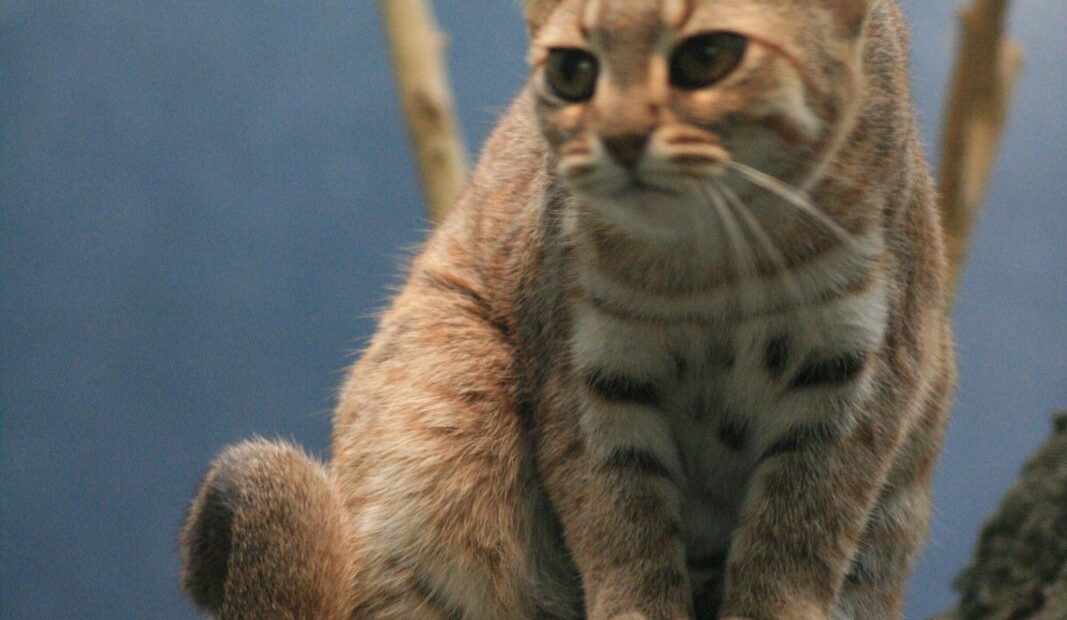
The ancient cat itself was tiny, small enough to fit in the palm of a hand, comparable in size to today’s rusty-spotted cat and black-footed cat, currently the smallest living feline species. Finding fossil evidence of such a small cat was itself unusual, since cat bones rarely survive long enough to fossilise; the cave likely protected the remains from decay.
The discovery goes beyond settling old questions. According to the study, the identification of P. kurteni suggests there was a much greater diversity of leopard cats during prehistoric times than previously believed, meaning many more small wild cat species may once have existed.
Image: Wikimedia Commons/by UrLunkwill



Leave a Reply