The Science Behind the Vena Amoris Was Wrong, But the Wedding Ring Tradition Stuck
The 'vein of love' that ancient Egyptians and Romans believed ran from the fourth finger to the heart doesn't exist, but it shaped a wedding ring tradition that has outlived the myth.
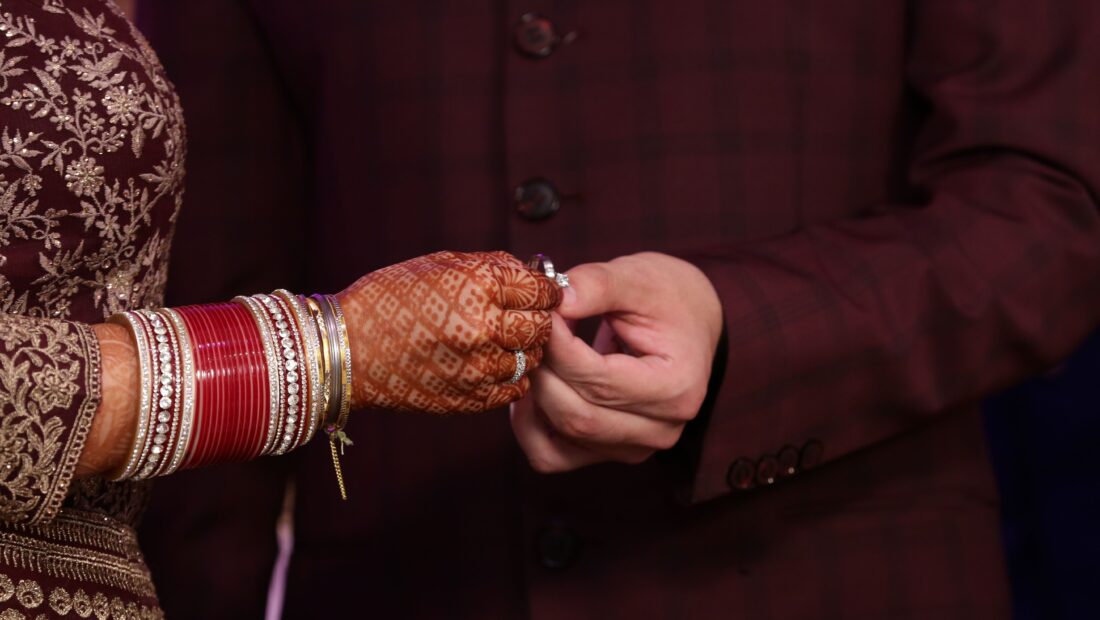
Ancient Egyptians and Romans believed the fourth finger of the left hand held a vein running directly to the heart — the vena amoris, or ‘vein of love.’ Modern medicine has since proven that vein doesn’t exist as described, but the belief shaped a wedding ring tradition that has long outlived the science behind it.
The idea mattered because it connected the ring to emotion in a very literal way: a wedding band placed on the finger believed to lead straight to the heart put the symbol of marriage exactly where love was thought to reside. Even after the medical explanation was debunked, the emotional significance remained, and the ring finger stayed associated with romance and commitment.
Practical considerations reinforced the choice over time. Across many cultures, the fourth finger was seen as the most graceful and least used for everyday tasks compared with the thumb and index finger, which see constant use, or the middle finger, which is larger and more central. The little finger, meanwhile, is often too small to comfortably secure a traditional band — leaving the fourth finger as the most workable option.
Cultural and religious traditions added their own meaning. In many Western countries, the left hand became the standard, and some Christian traditions view the ring’s unbroken circular shape as a symbol of eternal love. Elsewhere, wedding rings are worn on the right hand instead, underscoring that the gesture — not the exact finger — is what carries the weight.
What has kept the custom alive is its constant visibility: a ring worn every day reinforces its meaning again and again. Even as modern couples opt for plain bands, elaborate designs, or no rings at all, the fourth finger continues to represent commitment, continuity and connection, long after the original myth behind it faded.



Leave a Reply