Why scientists are studying Volkswagen’s flock of solar-farm sheep in Poland
Researchers at Poznań University of Life Sciences are studying how grazing sheep at Volkswagen's solar farm affect biodiversity and animal welfare.
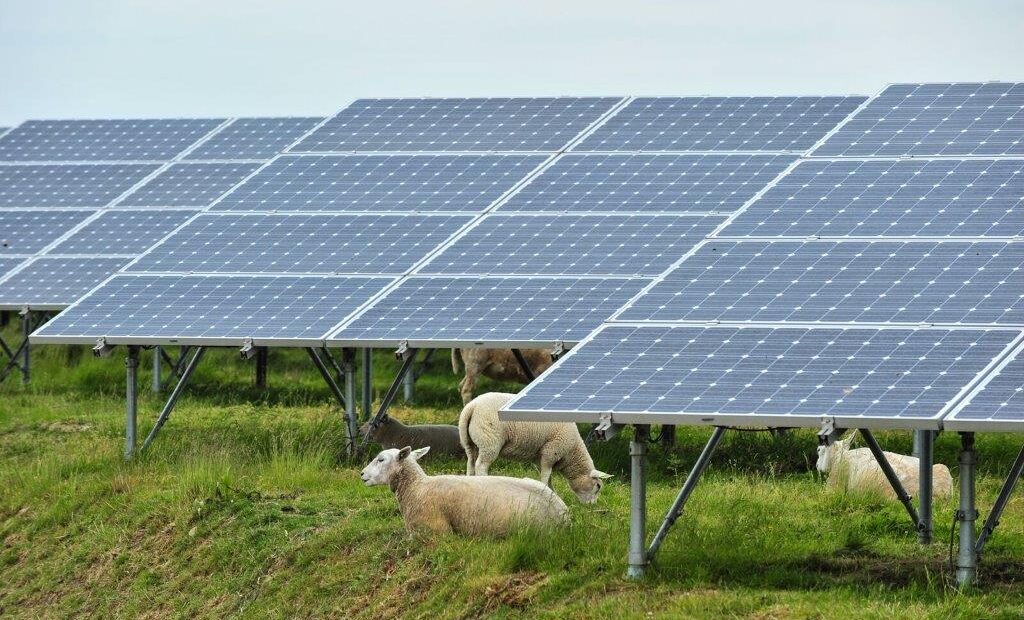
There’s real science behind the cuteness of Volkswagen’s newest recruits. The carmaker is working with Poznań University of Life Sciences, whose researchers are studying how a flock of 100 grazing sheep at its Polish solar farm affects animal welfare, biodiversity, soil quality, vegetation and the site’s microclimate — including whether shade from the panels actually reduces heat stress in the animals.
The sheep now manage vegetation across an 18.3 MW photovoltaic installation built and managed by Berlin-based Quanta Energy, which spans more than 31,000 solar panels and supplies roughly 25% of the power needs of Volkswagen’s Poznań plant over a full year, and can meet the factory’s entire demand on bright, sunny days.
According to flock owner Justyna Nowak-Gajek, the sheep have settled in fast, splitting into smaller groups and grazing calmly across different parts of the farm — a reliable sign they feel safe, since a threatened flock tends to huddle together instead.
Beyond the research value, the arrangement makes practical sense: grazing trims maintenance costs and emissions while creating habitat for insects and other wildlife, cutting down on the mechanical mowing that would otherwise be needed between the rows of panels.


Leave a Reply