Why China is redesigning its cities to soak up rainwater like a sponge
China is redesigning roads, parks and neighbourhoods to absorb rainwater naturally, tackling both flooding and water shortages at once.
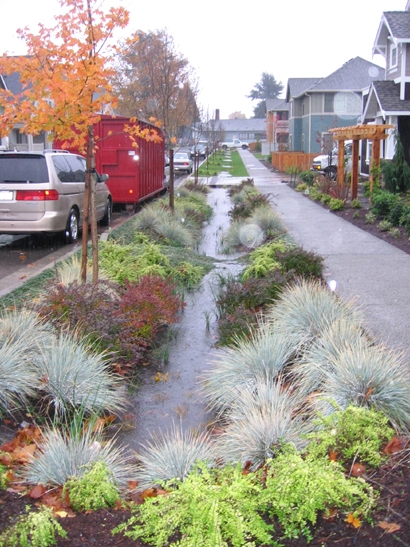
Across dozens of Chinese cities, roads, parks and neighbourhoods have been redesigned over the past decade to behave less like solid concrete and more like something that can be wrung out, under a national policy known as the sponge city concept.
According to a review published in the journal Environmental Chemistry Letters, China has battled persistent water shortages and devastating floods for decades, a pattern that prompted Chinese scholars to design the sponge city concept in the early 2010s to relieve pressure from both problems at once. Rapid urbanisation had replaced natural, absorbent ground cover with impermeable concrete and asphalt, overwhelming drainage systems during heavy rainfall even as cities faced water scarcity in drier periods.
Chinese President Xi Jinping first put the idea forward as national policy in 2013. Rather than relying purely on pipes and drains, sponge cities integrate green infrastructure such as permeable pavements, rain gardens, wetlands and retention ponds, and green roofs directly into urban drainage systems, letting rain be absorbed, stored and gradually purified where it falls.
China’s pilot programme began with 30 selected cities in 2013, and the country now aims to make 80% of its urban areas sponge-like by 2030, according to a World Bank account of the programme.


Leave a Reply