Study: bumblebees may be a better pollution indicator than honeybees, and here’s why
A new study argues that honeybees alone may not accurately reflect the pollution risks facing wild bumblebee populations.
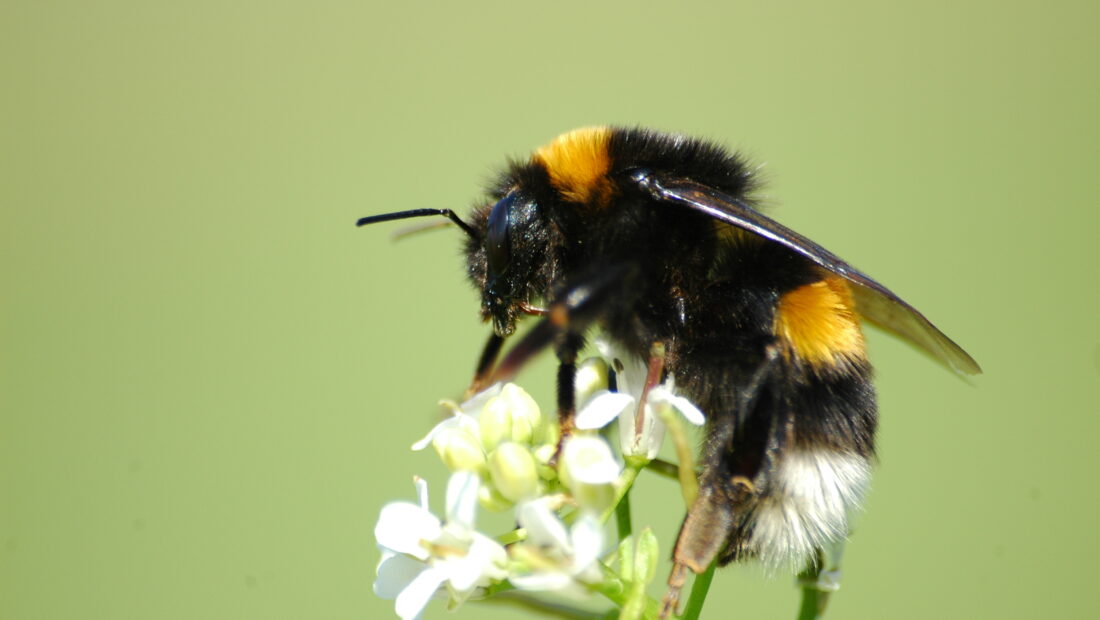
Scientists have long used honeybees as a stand-in measure for environmental pollution, but a new study suggests that approach may be missing part of the picture. Research published in the journal Ecological Entomology found that bumblebees absorb significantly more toxic metals than honeybees, even when both forage in the exact same fields.
Colonies of buff-tailed bumblebees and western honeybees were placed at the same sites in Cambridgeshire, England — in some cases less than 50 metres apart — yet bumblebee-collected pollen contained two to seven times higher concentrations of arsenic, chromium, cobalt, lead and tin than pollen gathered by honeybees.
Researchers point to several possible explanations: honeybee colonies, which can number in the tens of thousands, forage across large areas and may dilute contamination from any single hotspot, while bumblebee colonies are smaller and more limited in range. Bumblebees’ denser body hair and stronger electrical charge may also make them more prone to picking up metal-laden dust particles during flight.
The findings suggest that relying solely on honeybees to gauge pollution risk could understate what wild pollinators like bumblebees actually experience, researchers said, pointing to a need for broader monitoring across bee species.


Leave a Reply