Why mountain lions need far more territory than bobcats to survive
Mountain lions require vastly larger home ranges than bobcats, a difference driven by their prey size and population density.
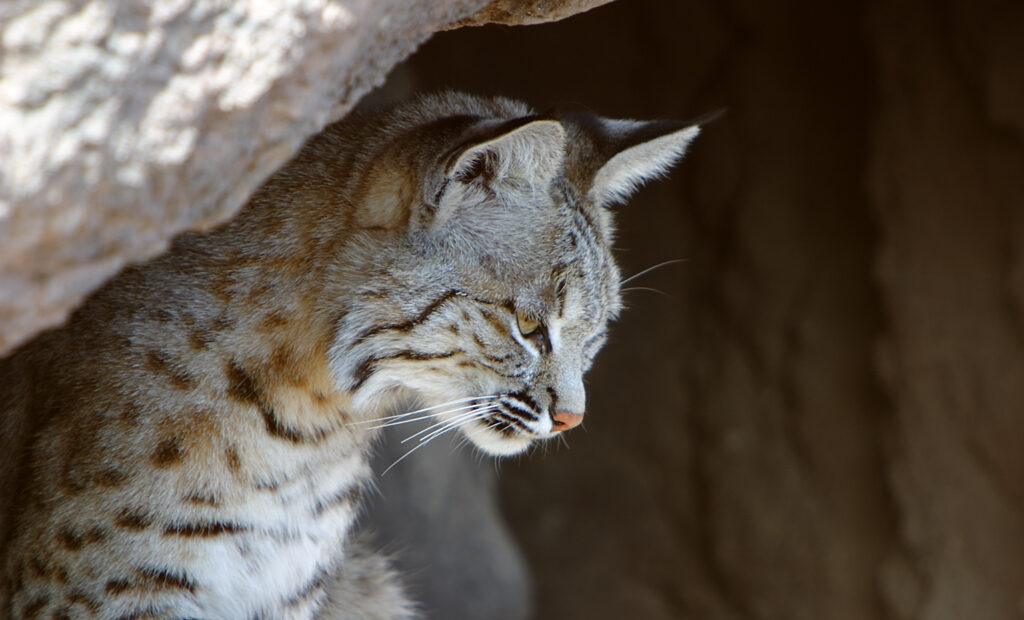
Neither the mountain lion nor the bobcat is particularly social — both spend most of their adult lives alone, maintaining territories that overlap only partially with neighbours. But the scale of their territorial needs differs enormously.
Mountain lions require extensive space, with a single individual sometimes roaming across an area covering many square miles as it patrols through valleys, forests and ridges. Their reliance on larger prey species and comparatively lower population densities make such vast territories necessary. Bobcats, by contrast, generally manage with much less room — males often occupy larger areas than females, but even so, their spatial needs remain modest compared with those of mountain lions.
This flexibility partly explains why bobcats persist in landscapes where larger predators like mountain lions have disappeared. Communication between individuals of both species tends to be subtle, relying on scratches, scent marks and other signals rather than direct encounters.
The two cats’ hunting styles reflect this territorial divide. Mountain lions target deer and other medium-to-large mammals across their sprawling ranges, sometimes risking serious injury from hooves, antlers or horns during a hunt. Bobcats are more opportunistic, adjusting their diet of rabbits, rodents and small vertebrates to whatever their smaller home range provides.

Leave a Reply