A 50,000-year-old genetic mystery just got a new explanation, and it’s not what headlines suggest
Scientists studying ancient Neanderthal-human interbreeding found a striking bias in how genes were passed down, though they warn against reading it as a love story.
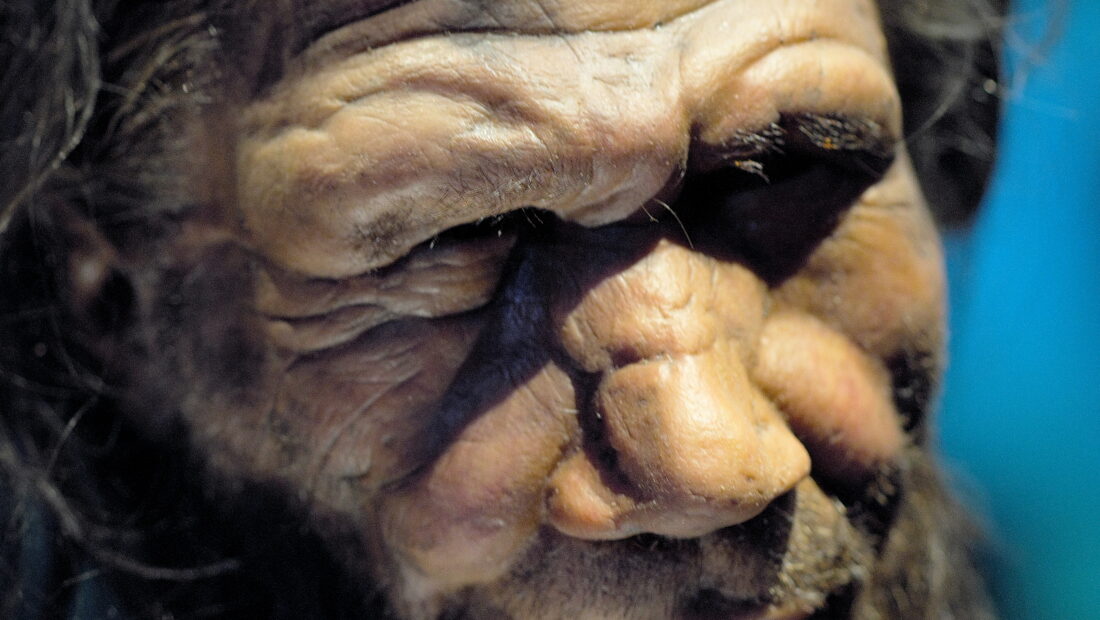
Roughly 50,000 years ago, early humans leaving Africa encountered Neanderthals, and the two groups interbred, leaving a genetic trace still present in most people of non-African ancestry today. Exactly how that DNA got distributed across the genome, however, has puzzled researchers for years, and a new study offers a compelling answer.
Scientists focused on one specific mystery: Neanderthal DNA turns up regularly across the non-sex chromosomes of modern humans, but is strikingly scarce on the X chromosome. Publishing their findings in the journal Science, researchers traced ancient DNA moving in both directions and discovered a mirror-image effect: Neanderthal genomes carry a 62% relative excess of modern human ancestry on their own X chromosomes.
The team’s analytical and computer models point to a sex-biased pattern of interbreeding as the most likely explanation, with unions between male Neanderthals and female modern humans happening more often than pairings the other way around. Crucially, the researchers stress that this reflects a statistical pattern in surviving lineages, not direct evidence of attraction or mating preference, and that migration and natural selection may have contributed as well.
Separate archaeological findings support a more nuanced picture. Remains from El Sidrón Cave in northern Spain showed that Neanderthal males in the group shared closely related maternal lineages, while females carried more diverse mitochondrial DNA, a pattern researchers link to female dispersal between communities rather than male movement.
The study’s authors describe the findings as another piece of the human evolution story rather than a conclusive end point, with ongoing improvements in ancient DNA sequencing expected to reveal more about how the two populations lived, moved and mixed.
Leave a Reply