How 20 beavers meant for a fur industry ended up altering an entire ecosystem
A 1946 plan to build a fur trade in Patagonia using 20 imported beavers instead triggered decades of uncontrolled ecological transformation across Tierra del Fuego.
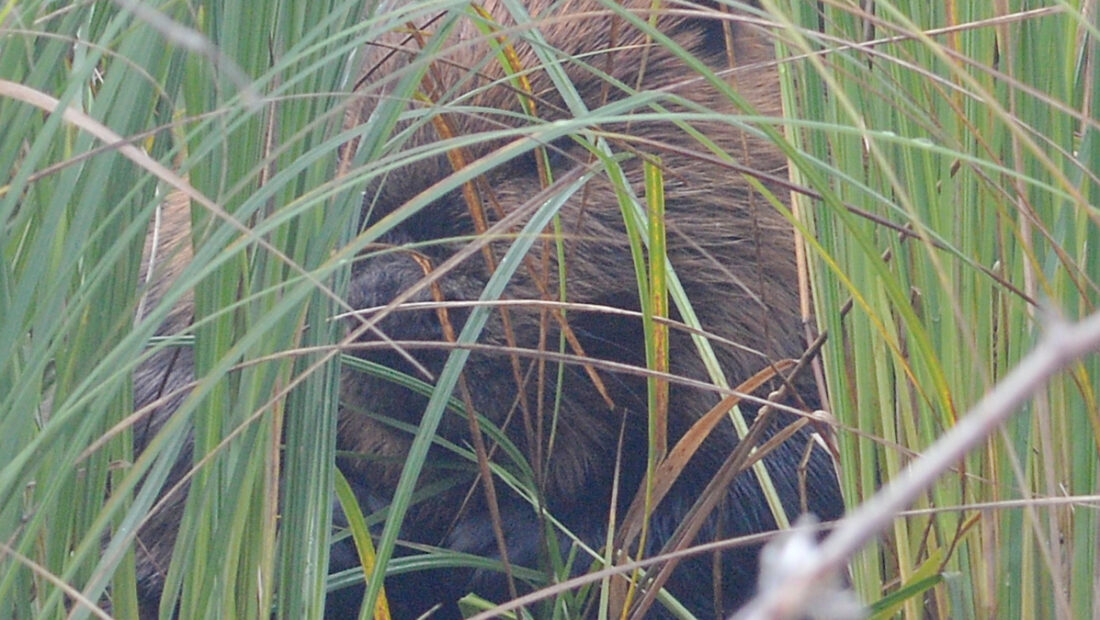
The plan seemed straightforward in 1946: bring beavers to Patagonia, let them breed, and build a fur industry to support the local economy. Argentine authorities released 20 North American beavers, imported from northern Manitoba, Canada, into the forests of Tierra del Fuego with exactly that goal in mind.
The fur industry never materialised the way officials hoped. Instead, the beavers found abundant food, suitable habitat, and no natural predators, allowing them to multiply rapidly over the following decades. Scientists now estimate the population numbers in the tens of thousands, spread across Argentina and neighbouring Chile, having built thousands of dams that flooded native forests and transformed entire river valleys.
A 2014 historical analysis by researchers Alejandro G. Pietrek and Laura Fasola, examining archival records, confirmed the entire Patagonian population descended from that single release of 20 animals, correcting earlier accounts that had claimed 25 pairs or even 50 beavers were introduced. The finding underscored how a remarkably small founding group could establish a thriving population under the right conditions.
Patagonia’s native Nothofagus trees had never evolved alongside dam-building beavers and proved poorly adapted to the repeated flooding and tree falling that followed. Researchers estimate millions of trees have been affected over decades of beaver activity, with several abandoned ponds permanently altered into meadows or wetlands rather than returning to forest. Argentina and Chile have since signed a binational agreement aimed at eradicating the beaver population, though officials expect the effort to take many years.

Leave a Reply