Investigators ruled out murder and piracy in the Mary Celeste case. They still had no answer
An 1872 Gibraltar court investigation into the abandoned ship Mary Celeste found no evidence of violence or theft, yet could never explain why its crew vanished.
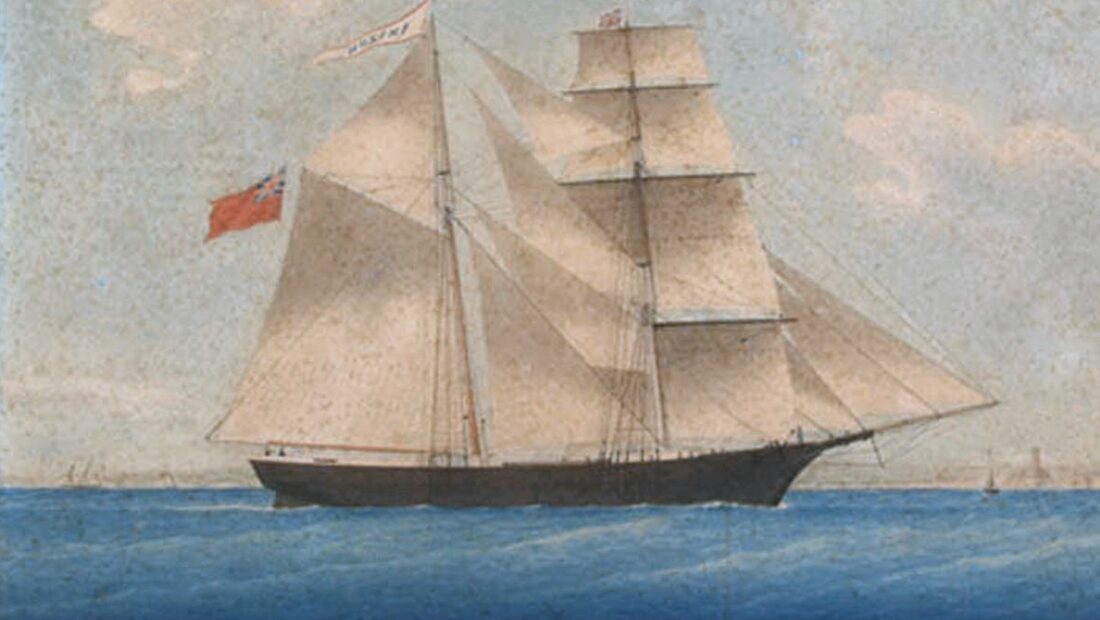
When authorities in Gibraltar opened an official investigation into the Mary Celeste in late 1872, they had a genuinely strange case on their hands: a fully seaworthy ship, found drifting with its cargo and food supplies intact, but with every person who had been aboard completely missing.
Investigators considered whether mutiny, piracy, murder or insurance fraud could explain the disappearance of Captain Benjamin Briggs, his wife, their two-year-old daughter and seven crew members. But they found no evidence of violence, no signs of a struggle, and no indication that anyone had attempted to steal either the cargo or the crew’s possessions. Unable to establish a convincing theory, the court ultimately concluded that there was insufficient evidence to explain what had happened.
The Mary Celeste had departed New York on November 7, 1872, bound for Genoa, Italy, carrying more than 1,700 barrels of industrial alcohol. When the British brigantine Dei Gratia encountered her near the Azores almost a month later, the vessel showed signs of disorder but not catastrophe — some sails were damaged, several feet of water had collected in the bilge, and the ship’s lifeboat was missing, yet the hull remained seaworthy and the valuable cargo was largely untouched. The final entry in the captain’s log was dated November 25, placing the ship several hundred miles from where it was eventually discovered.
Because no bodies were ever recovered and the crew was never seen again, speculation has filled the gaps left by that inconclusive investigation ever since, ranging from alcohol vapour explosions to rough seas and waterspouts. None has been conclusively proven, leaving the Mary Celeste one of the most enduring unsolved mysteries ever recorded at sea.


Leave a Reply