Scientists play human voices near salmon streams: bears and eagles bolt
An experiment using hidden cameras and speakers along Alaska's salmon streams found bears and bald eagles fled almost 10 times more often at human voices than at natural sounds, disrupting how nutrients move into nearby forests.
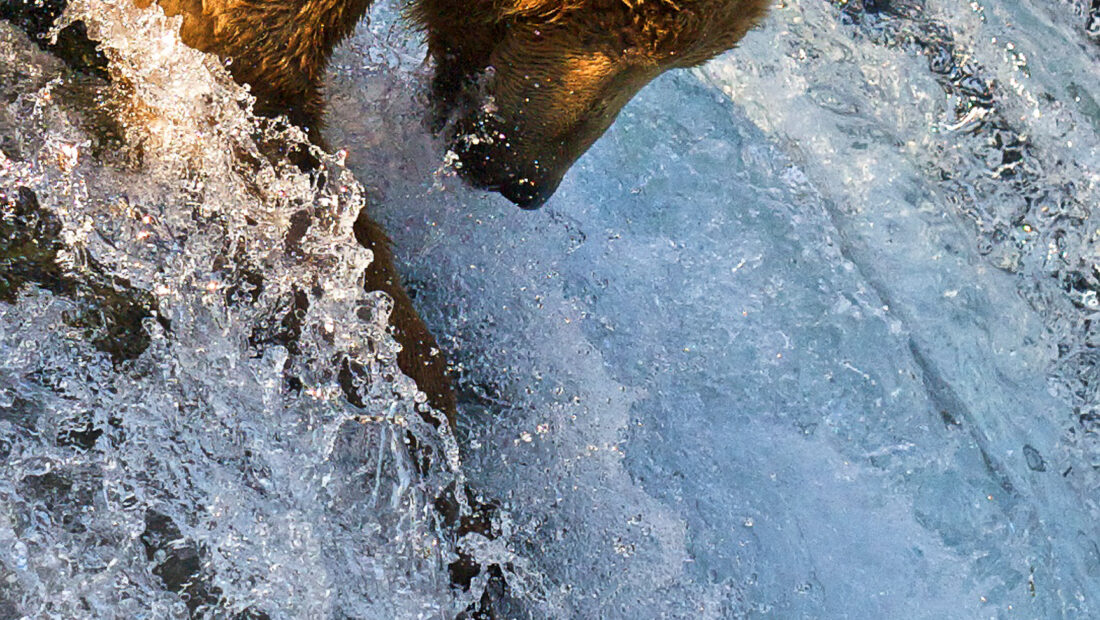
To find out how sensitive Alaska’s salmon-eating wildlife really is to human presence, researchers at the Pacific Northwest Research Station built a simple but revealing experiment: motion-activated cameras and hidden speakers placed along riverbanks in the Héen Latinee Experimental Forest near Juneau, with salmon laid out nearby to attract bears and eagles.
Research ecologist Philip Manlick and colleagues played three types of sound — off-highway vehicles, human voices, and natural seabird calls as a control. The reactions varied sharply: animals were twice as likely to flee at vehicle noise compared with natural sound, but almost 10 times more likely to run at the sound of people simply talking.
The disturbance didn’t just scare animals away temporarily. At sites with regular human noise, bears and eagles took fewer salmon overall and shifted much of their feeding to nighttime, avoiding the hours when people were most likely to be around.
That behavioural change carries consequences for the forest itself. Bears normally eat only the most nutrient-rich parts of a salmon — brains, skin and eggs — and leave the rest of the carcass behind. As those remains and bear droppings decompose, they release nitrogen that fertilises nearby trees and plants. Fewer streamside meals mean less of that natural fertiliser reaching the forest floor.
A related long-term study in British Columbia, led by Dr Megan Adams of the University of Victoria and the Raincoast Conservation Foundation, found the same pattern at a larger scale. Using chemical analysis of grizzly bear hair collected between 1995 and 2014 across 88,000 square kilometres, her team found that human activity near river valleys reduced female grizzlies’ salmon consumption by up to 59%, outweighing the effect of how much salmon was actually in the rivers.
Researchers working with the Kitasoo Xai’xais Stewardship Authority in British Columbia’s Great Bear Rainforest are already applying the findings to forestry planning. Scientists are calling for larger protected buffer zones and seasonal closures of wilderness roads during the autumn salmon run, arguing that even modest changes to human activity near streams could help restore the bear-salmon-forest cycle.
Wikimedia Commons/by Dmitry Azovtsev
Leave a Reply