‘Demand Is Not the Challenge’: Why MG Says India Just Can’t Get Enough EVs
MG Motor India's managing director says EV demand has outpaced supply choices, with the company now targeting nearly 80% new-energy vehicle sales this year.
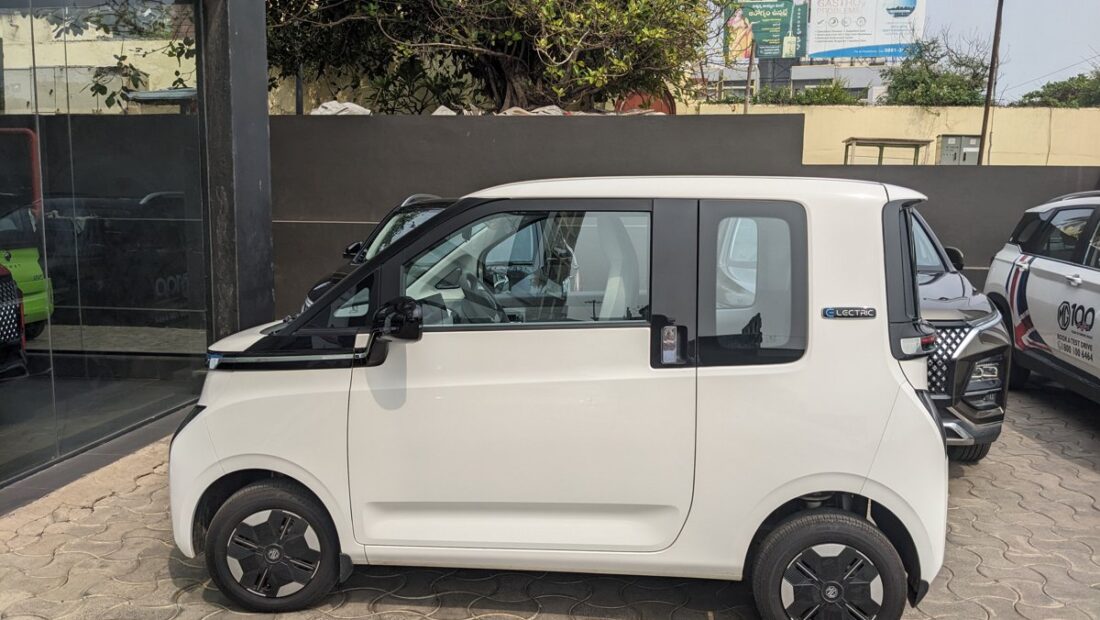
‘Demand is not the challenge any more. The challenge is giving customers enough choice,’ says Anurag Mehrotra, managing director of JSW MG Motor India, summing up how quickly electric mobility has taken hold among Indian car buyers.
Mehrotra told TOI that passenger vehicle EV penetration nationally had slipped below 4% at the start of 2026 but crossed 8% by June, as rising fuel prices and growing awareness of running-cost savings pushed more buyers toward electrified vehicles. In response, MG now expects new-energy vehicles (NEVs) — a category spanning EVs, hybrids, plug-in hybrids and range-extender EVs — to make up nearly 80% of its total sales this year, ahead of its own long-term target of 75%.
To widen its lineup further, MG will introduce its first plug-in hybrid (PHEV) later this financial year, positioned mainly as an alternative for buyers who would otherwise choose a diesel SUV. Mehrotra said a PHEV combines the low running costs of an EV with the reassurance of a petrol engine for longer trips, eliminating range anxiety without requiring dependence on charging infrastructure — a technology already common in China and Europe but yet to take off in India.
The upcoming models will be built on MG’s newly unveiled ADAPT (Advance Drive Architecture Platform Technology), described by the company as India’s first multi-new-energy-vehicle platform, capable of supporting battery EVs, hybrids, PHEVs and range-extender EVs on one common architecture.
MG isn’t alone in riding the wave. Tata Motors remains India’s largest electric passenger vehicle maker, with EVs now making up around a fifth of its passenger vehicle sales, while Mahindra’s electric portfolio contributed about 12% of its passenger vehicle volumes in June. Across the industry, EV sales are growing at roughly 70%, comfortably outpacing the broader passenger vehicle market.
Image credit: Wikimedia Commons/by Saiphani02


Leave a Reply