A developing Super El Niño could mean a colder, snowier winter for parts of the US and Europe
Early forecast models suggest a developing Super El Niño could disrupt the Polar Vortex and bring colder, snowier winter conditions to parts of the US, Canada and Europe.
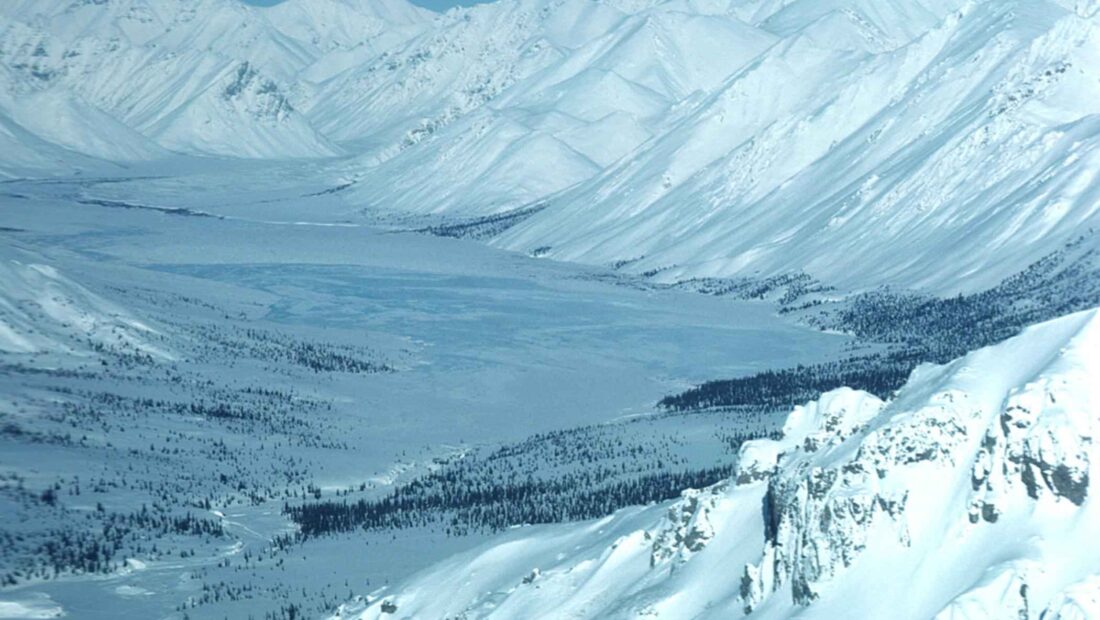
Early weather forecast models are pointing towards an interesting possibility for the winter of 2026-27: a developing Super El Niño could increase the chances of disruption in the Polar Vortex during the coming winter, potentially leading to colder and snowier conditions across parts of the United States, Canada and Europe, according to a long-range analysis by Severe Weather Europe.
The Polar Vortex is a massive area of cold, fast-spinning winds located high in the atmosphere above the Arctic that, during winter, usually stays strong and keeps extremely cold Arctic air confined near the North Pole. When it weakens or becomes disrupted, that cold air can spill southward into North America, Europe and parts of Asia, raising the likelihood of prolonged cold spells and heavy snowfall.
El Niño occurs naturally when the tropical central and eastern Pacific Ocean becomes warmer than usual, triggering changes in atmospheric circulation worldwide. Past records show a higher probability of Polar Vortex disruptions during El Niño winters, particularly in December and January, according to the Severe Weather Europe report.
The latest analysis, based on recently released seasonal forecast data, indicates the developing Super El Niño may create conditions favourable for a weakening Polar Vortex during January and February 2027, with forecast models showing stratospheric wind speeds dropping well below the long-term average during mid-winter. The report stresses these remain long-range projections rather than precise forecasts.


Leave a Reply