Farming didn’t just feed humanity, it also sped up our evolution
A Harvard study on ancient DNA found that selection pressure on human genes accelerated specifically after humans shifted from hunting and gathering to settled farming.
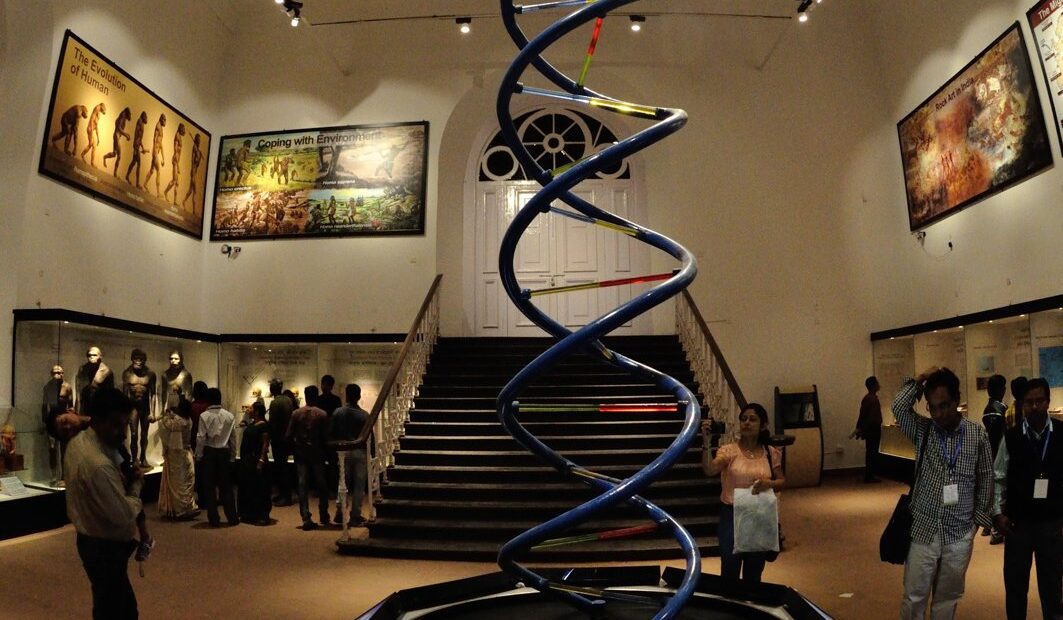
One of the most striking findings in a massive new Harvard study is that selection pressure on human genes appears to have picked up pace specifically after humans shifted from hunting and gathering to settled farming.
Living in permanent, densely packed communities alongside domesticated animals exposed early farming populations to entirely new waves of infectious disease, conditions that simply did not exist during a more mobile, hunter-gatherer lifestyle. This shift seems to have forced human immune systems and other biological traits to adapt at a noticeably faster pace than before.
The study, led by geneticist David Reich and his team at Harvard Medical School, analysed nearly 16,000 ancient human genomes stretching back 10,000 years and was published in the journal Nature. Researchers identified 479 gene variants showing strong evidence of directional selection, many carrying known connections to conditions people still deal with today, including risk factors for type 2 diabetes and schizophrenia, along with genes tied to immune response and resistance to infections like tuberculosis.
Researchers note that while these links are well documented in modern populations, it isn’t always clear exactly what advantage a particular gene variant may have offered people living thousands of years ago, opening up new questions for future research to explore.
Image: Wikimedia Commons/by Biswarup Ganguly



Leave a Reply