New Research Uncovers Switzerland’s WWII-Era Mountain Gold Vault
Archival research has revealed that Switzerland converted an Alpine military depot into a secret gold vault to protect its reserves during World War II.
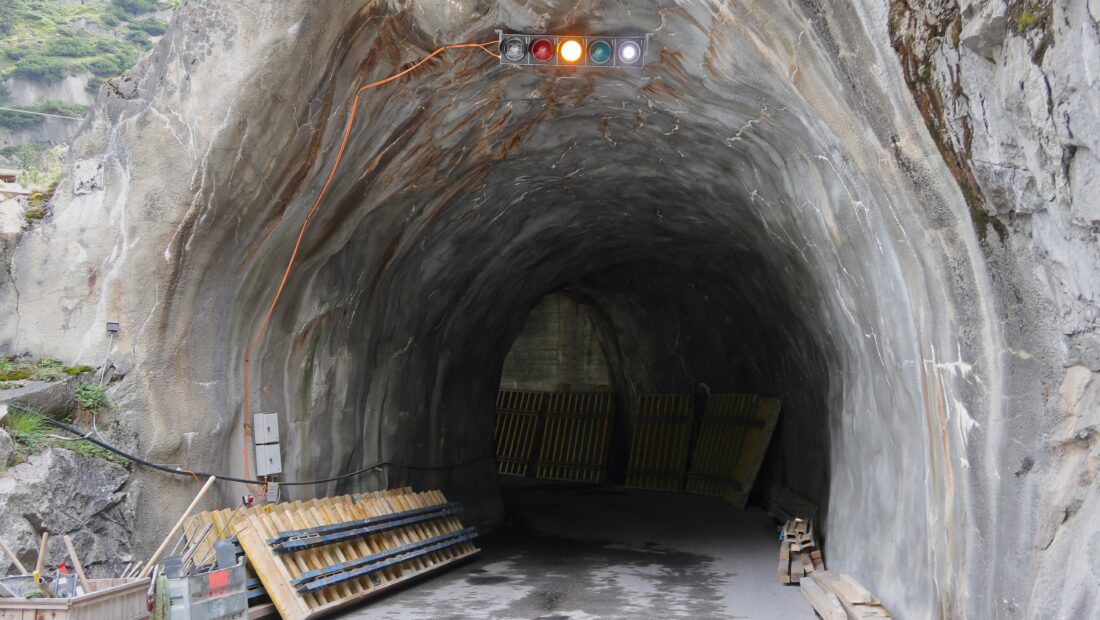
New archival research has uncovered how Switzerland quietly protected its gold reserves during World War II by converting a military ammunition depot in the Bernese Alps into a fortified vault, according to a study published in the Journal of Contemporary History.
The research, led by historian Ludo Groen of ETH Zurich, draws on previously unseen records from the Swiss National Bank’s own archives. It shows the depot was repurposed starting in 1939 to hold the bank’s domestic gold reserves, offering a level of protection the bank’s urban vaults in Zurich and Bern could not match as war approached.
The mountain site was first envisioned only as an emergency fallback in case Switzerland was attacked. As the war progressed, however, and the country’s gold holdings swelled beyond what the city vaults could accommodate, the Alpine depot became a permanent part of the bank’s storage network.
The findings challenge the widely held assumption that Switzerland’s wartime gold sat mainly beneath its banking centres. Instead, the study shows the bank built an entire logistical system — security protocols, transport routes and administrative controls — to support the mountain vault as inflows of precious metal accelerated.
Switzerland’s Alpine terrain had already played a defining role in its national defence planning through the ‘National Redoubt’ strategy, and the research shows financial protection became part of that same defensive thinking. Decentralising gold storage into the mountains let the country continue managing its bullion safely while navigating one of the most volatile periods in modern European history.


Leave a Reply