Scientists capture first-ever seafloor spreading event live, 160 million cubic metres of lava
Researchers recorded the first direct observation of a seafloor spreading event in the Indian Ocean, releasing up to 160 million cubic metres of lava.
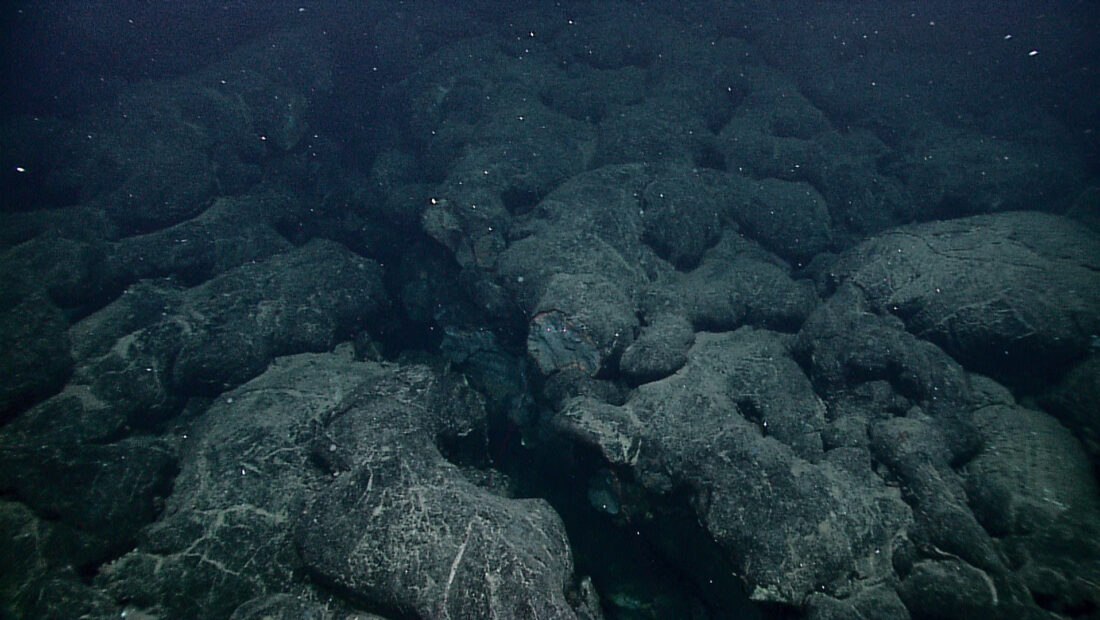
For most of human history, the creation of new ocean floor has been something inferred rather than witnessed. Geologists could map ancient scars on the seabed and measure the slow movement of tectonic plates, but the actual process of seafloor spreading remained largely hidden beneath kilometres of water — until April 2024, in a remote part of the southern Indian Ocean.
Instruments positioned across a mid-ocean ridge happened to be in exactly the right place when the seafloor began to tear apart. According to a study published in Nature on July 8, 2026, titled ‘Anatomy of a seafloor spreading event captured by in situ seismogeodesy,’ researchers captured the first direct, in-situ observation of a complete seafloor spreading episode using a combination of acoustic, geodetic and pressure-monitoring instruments.
The event occurred along the Southeast Indian Ridge, where scientists from the OHA-GEODAMS project had deployed an array of instruments just two months earlier. On April 26, 2024, a swarm of earthquakes appeared beneath the ridge valley and migrated rapidly along the ridge axis over several kilometres, resembling the underground advance of magma forcing its way through cracks in the crust.
By comparing seafloor maps collected before and after the event, researchers identified extensive new lava flows across the ridge valley, some exceeding 90 metres in thickness and stretching for kilometres, with an estimated volume of between 148 million and 160 million cubic metres — enough to steadily build fresh oceanic crust over roughly 16 days.
Leave a Reply