Scientists say America may need to let Lake Powell disappear to save the Colorado River
A growing number of water experts argue the US should consolidate Colorado River storage in Lake Mead, even if it means Lake Powell shrinks dramatically.
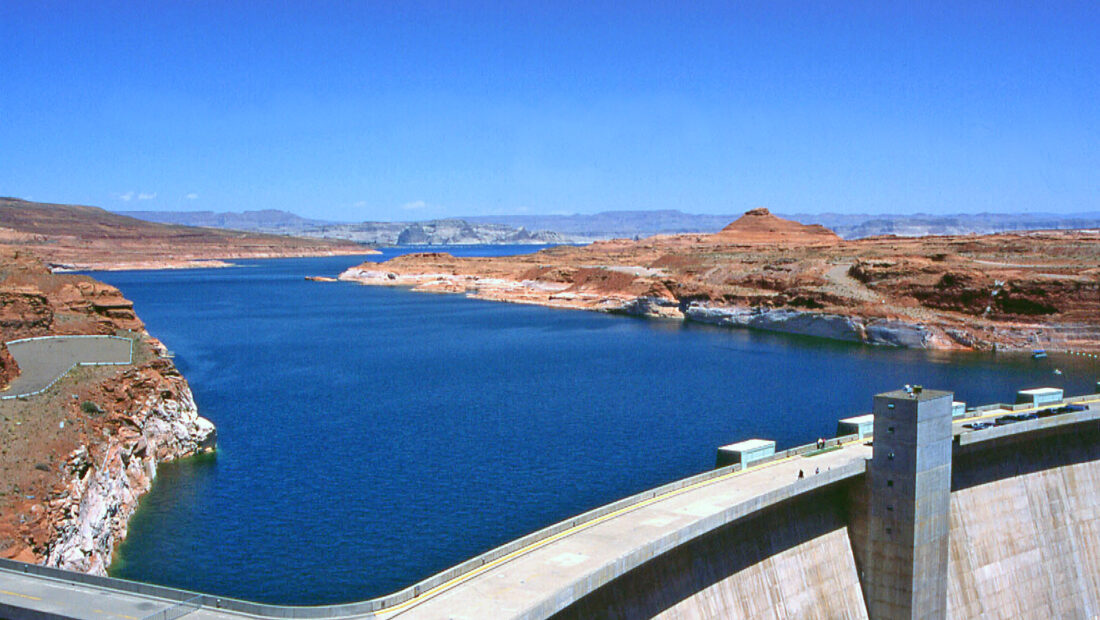
For more than 60 years, Lake Powell and Lake Mead have served as the twin pillars of the Colorado River system, storing water for cities, farms and hydropower across the American Southwest. But as drought, rising temperatures and chronic overuse continue to shrink the river, a growing number of scientists and water experts argue that trying to keep both reservoirs operating as originally designed may no longer be realistic.
Instead, they say the United States should seriously consider consolidating most of its stored water in Lake Mead, even if that means allowing Lake Powell to shrink dramatically or eventually disappear. The proposal, known as “Fill Mead First,” has become one of the most debated ideas in Western water management.
Supporters argue that maintaining two partially filled reservoirs wastes precious water through evaporation and seepage while increasing the risk that both could eventually reach critically low levels. According to advocates interviewed by Newsweek, concentrating storage in Lake Mead could improve long-term water security, reduce losses, and allow the Colorado River to flow more naturally through Glen Canyon — pointing to ecological recovery already visible in sections of the canyon that have re-emerged as Lake Powell’s water levels have declined.
Supporters acknowledge the proposal would require major engineering changes, including bypassing Glen Canyon Dam, but argue that continuing with the existing system may become increasingly unsustainable as the basin grows drier.


Leave a Reply