These solar cells could turn your jacket into a phone charger
Japan's flexible perovskite solar cells have already been demonstrated in prototype solar panels for cars, tents and even clothing that can charge devices in sunlight.
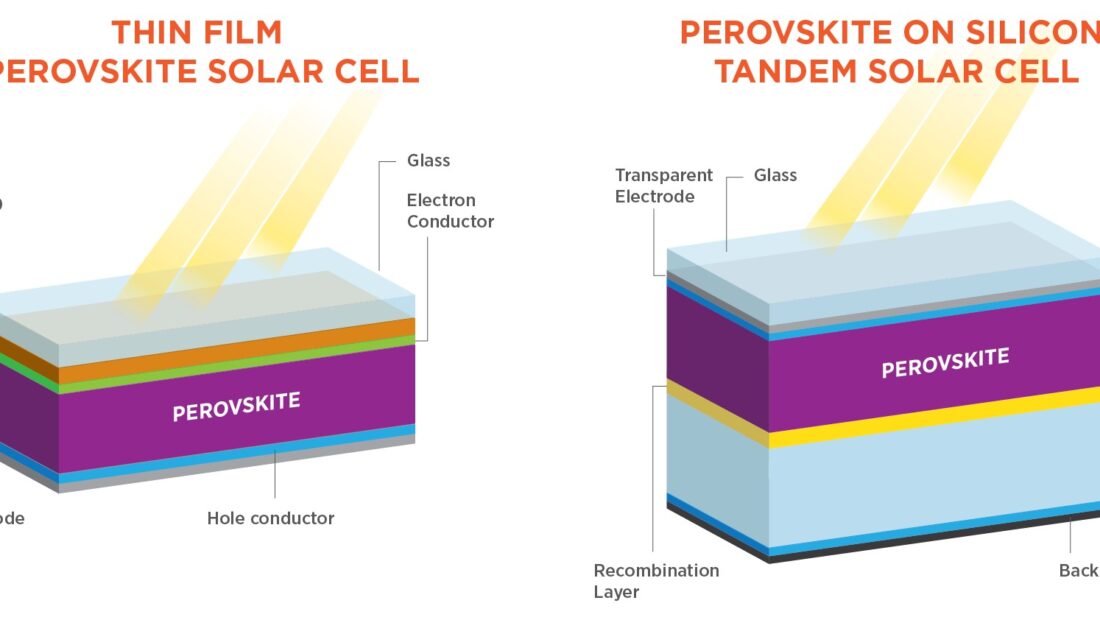
Curved building façades, warehouse roofs, electric vehicles, agricultural greenhouses, railway stations and even portable electronic devices could all become viable sites for solar power generation, thanks to a new generation of flexible perovskite solar cells being developed in Japan.
According to CNN, the technology has already been demonstrated in prototype devices such as solar panels for cars, building façade solar sheets, solar panels for tents, and even for clothes, with such panels allowing people to charge mobile devices simply by walking in sunny weather.
Unlike rigid silicon panels, the light-absorbing perovskite layer is only a tiny fraction of the thickness of a conventional silicon wafer and can be deposited onto flexible plastic or metal substrates, according to Japan’s Agency for Natural Resources and Energy. That flexibility allows the technology to reach surfaces traditional panels can’t, integrating electricity generation directly into everyday objects.
Few experts expect perovskite cells to replace conventional silicon panels entirely. Instead, their greatest contribution is likely to be filling the gaps rigid panels cannot, bringing solar power to curved façades, lightweight structures and portable devices. Japan aims to commercialise the technology over the coming decade as part of its broader clean energy strategy.
Image: Wikimedia Commons/by National Renewable Energy Laboratory


Leave a Reply