What actually makes housing ‘adequate’? The UN has a checklist
The United Nations defines several minimum criteria for housing to be considered adequate, from legal security of tenure to cultural fit and location.
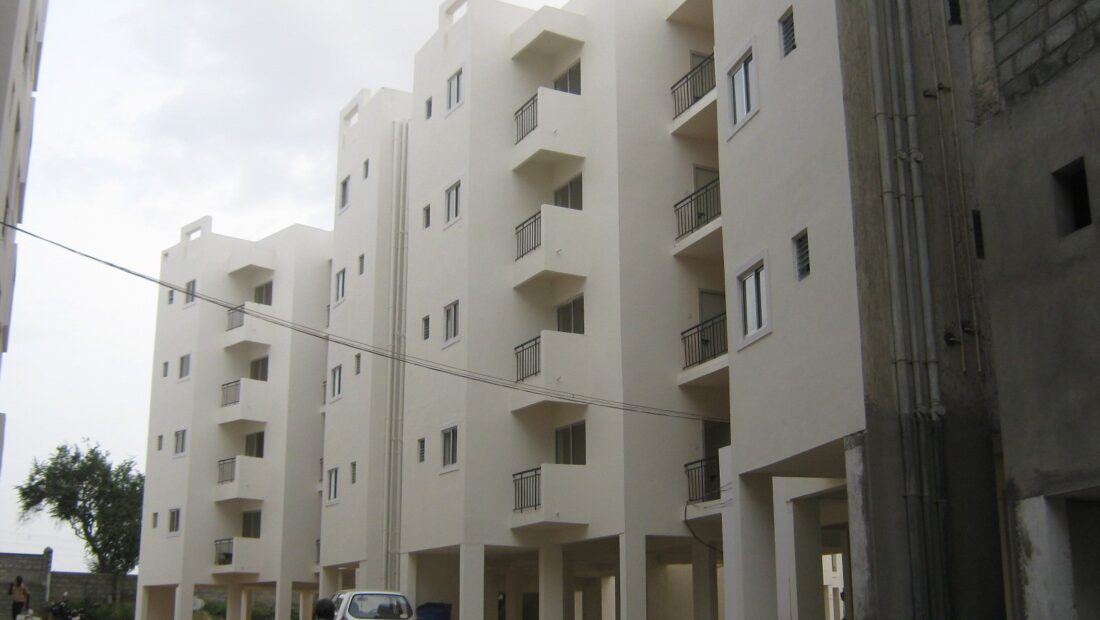
According to the United Nations, housing can be considered adequate only if it meets several minimum criteria. These include legal security of tenure, ensuring protection against forced eviction and harassment; affordability, so housing costs do not compromise other essential needs; habitability, providing adequate space and protection from weather and health hazards; and the availability of services and infrastructure, including water, sanitation and energy.
The framework also emphasises accessibility, particularly for disadvantaged and marginalised groups; location, ensuring housing is connected to employment, schools and healthcare while avoiding polluted or hazardous areas; and cultural adequacy, so housing respects residents’ cultural identity and way of life.
The right to adequate housing encompasses both freedoms and entitlements. Freedoms include protection against forced eviction and arbitrary destruction of one’s home, freedom from arbitrary interference with one’s home and privacy, and the right to choose one’s residence. Entitlements include legal security of tenure, housing and property restitution, non-discriminatory access to housing, and participation in housing-related decision-making.
The UN says more than 1.8 billion people currently live in informal settlements or other forms of inadequate housing worldwide, often without reliable access to water, sanitation or electricity.
Image: Wikimedia Commons/by JanShu


Leave a Reply