Why half of Europe’s Alpine regions are growing while others are emptying out
A study on Alpine population trends found that while some mountain regions have grown since the end of the agricultural era, the most remote districts keep losing people.
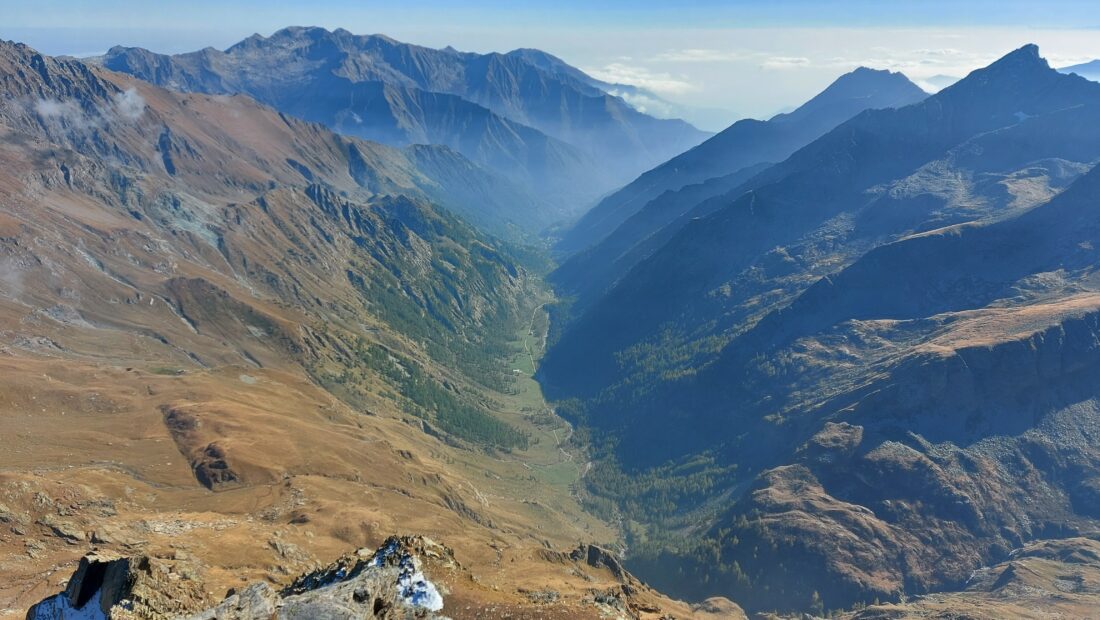
Population decline in Europe’s Alpine zones is not a uniform story, according to research published in the journal Mountain Research and Development. About half of Alpine Europe has actually seen economic and demographic growth since the end of the agricultural era, the paper found, while the most remote districts have continued to lose people to urban migration.
The study notes that tourism only supported widespread growth in parts of the Eastern Alps, and that some areas remain in danger of becoming completely abandoned. That uneven pattern is playing out in Italy’s Soana Valley, in Piedmont, where the villages of Ingria, Ronco Canavese and Valprato Soana have launched a residency program called VIHTA to attract new permanent residents.
The project offers free accommodation and coworking space for two to four weeks this autumn, inviting professionals, families, academics and students to experience mountain life before deciding whether to relocate. The villages sit near Gran Paradiso National Park, Italy’s first national park, where roughly 8,300 people live in the surrounding 13 municipalities but only about 300 live inside the park itself.
A separate 2022 study in the Journal of Regional Science found that different Alpine regions’ demographic trajectories depended heavily on local economic and administrative factors — including regional autonomy status — rather than any single explanatory factor, using data stretching back to 1921.

Leave a Reply